From Antarctica to the bird fair in Cali
Article topics: Travel and experiencesProjects and collaborations
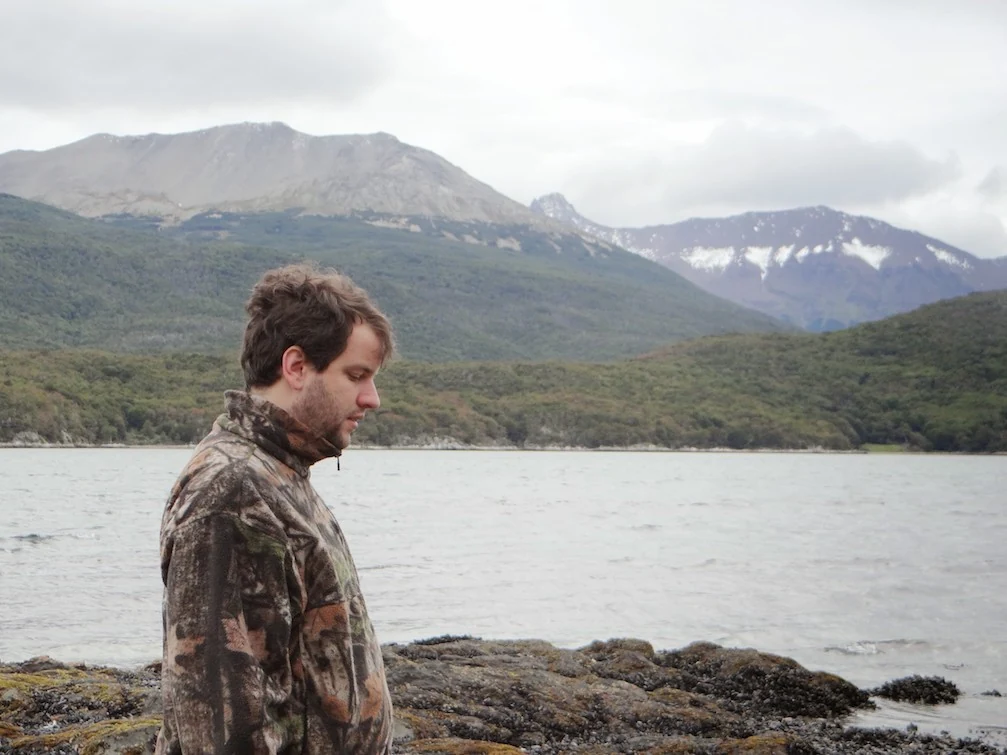
When I arrived in Cali in March 2016, it had been less than two months since I’d recorded gentoo penguins on the expedition to Antarctica. I had come for the second Colombia Birdfair, held at the Club Campestre. I was back in Colombia, a country I called “my second home” on the radio during that visit.
I gave the talk that closed the fair’s lecture series, as José Luis Ropero later noted in his account of the event. I built it as a journey in sound from Ushuaia to North America, with recordings from about ten years of work across the Americas. As a preview, I brought the drip of meltwater I had just recorded in Antarctica. I also played the geese recording I made while out walking with Ronja.
Carlos Ramírez was in the audience, and afterward he interviewed me for Nuestro Oxígeno, Todelar’s environmental program. He told me the meltwater had made the whole audience feel they were there. I answered with something I’d said in the talk. A book or the radio lets us imagine; images, by contrast, narrow that imagination a great deal. The sounds of nature open it up. If I say I was standing on the ice, in a fierce wind with a lot of snow, everyone forms pictures of their own.
On the air, Ramírez spoke of an audience of more than four hundred people and the applause at the end. I told him I didn’t think I deserved so much applause. I also told him what I was trying to do: to wake up the ability to listen that we all have and that lies dormant in most people.
The macaws at the club
During the fair, Carolina Bohórquez interviewed me for El Tiempo. In her article, I’m sitting beside Ronja when a pair of macaws flies over toward the club’s lake, and I recognize them by their calls. She also wrote that after the fair I wanted to head up to the Farallones de Cali with Carlos Mario Wagner, one of the event’s directors, to look for a wren’s song.
In April, issue 140 of San Joaquín, the Club Campestre’s magazine, covered the fair in a piece titled “Una caja musical en medio de la feria de las Aves” (“A music box in the middle of the bird fair”). In its “Protagonista Bird Fair” section, it ran a profile of me, in which I talk about how my ear developed to recognize birdsong and about the value of Colombia’s biodiversity.
The San Antonio forest
In that radio interview, to explain how the species around Cali change as you climb, I gave the San Antonio forest as an example. It was also one of the destinations on the fair’s field trips. I returned to Cali on later occasions to teach recording workshops at the fair and give a talk called “A qué suena Colombia” (“What Colombia sounds like”).
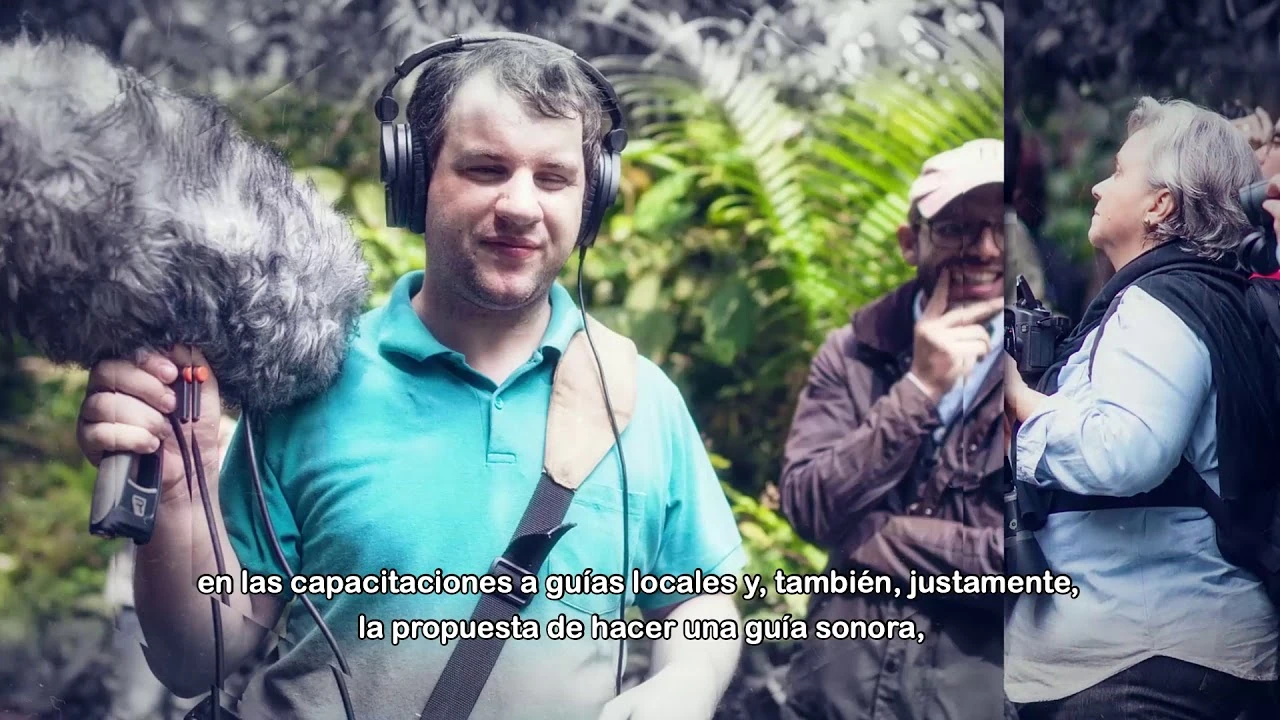
Years later, with Carlos Mario Wagner, director of Colombia Birdfair, and Asociación Río Cali, we put forward a project so that blind and low-vision people could walk through that forest and recognize its birds by their songs. I recorded the route’s audio guide there and worked with local guides. I tell that story in “Accessible birding and soundscapes in Colombia.”